The problem is not attitude. It is the absence of a system that provides continuous, trustworthy insight into progress.

Micromanagement rarely starts as a leadership flaw. In most cases, it emerges from uncertainty. As teams grow, managers lose the informal visibility they once had. When everyone sat close together, progress was easy to sense. As work spreads across projects, tools, and time zones, that clarity disappears.
To compensate, managers check in more often. They ask for frequent updates. They sit in on meetings that do not require their presence. They review work earlier and more closely than necessary. Over time, this behaviour gets labelled as micromanagement, but the real issue is a lack of reliable systems for visibility and execution.
Managers are not trying to control people. They are only trying to control outcomes.
Why traditional management does not increase team productivity
Most advice around micromanagement focuses on behaviour. Managers are told to trust their teams more, delegate better, or step back. While well intentioned, this advice ignores the structural problem.
Trust without visibility feels risky. Delegation without feedback feels blind. Stepping back without knowing whether work is moving forward creates anxiety. In these conditions, micromanagement becomes a survival mechanism.
The problem is not attitude. It is the absence of a system that provides continuous, trustworthy insight into progress.
The difference between control and visibility
Control comes from constant intervention. Visibility comes from information flowing naturally.
Managers micromanage when they feel responsible for outcomes but disconnected from execution. They ask for updates because they do not trust the system to surface issues early. They attend meetings because decisions and follow-through are not clearly recorded. They review work closely because ownership feels unclear.
Reducing micromanagement requires replacing manual control with structural visibility.
How work systems shape management behaviour
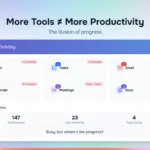
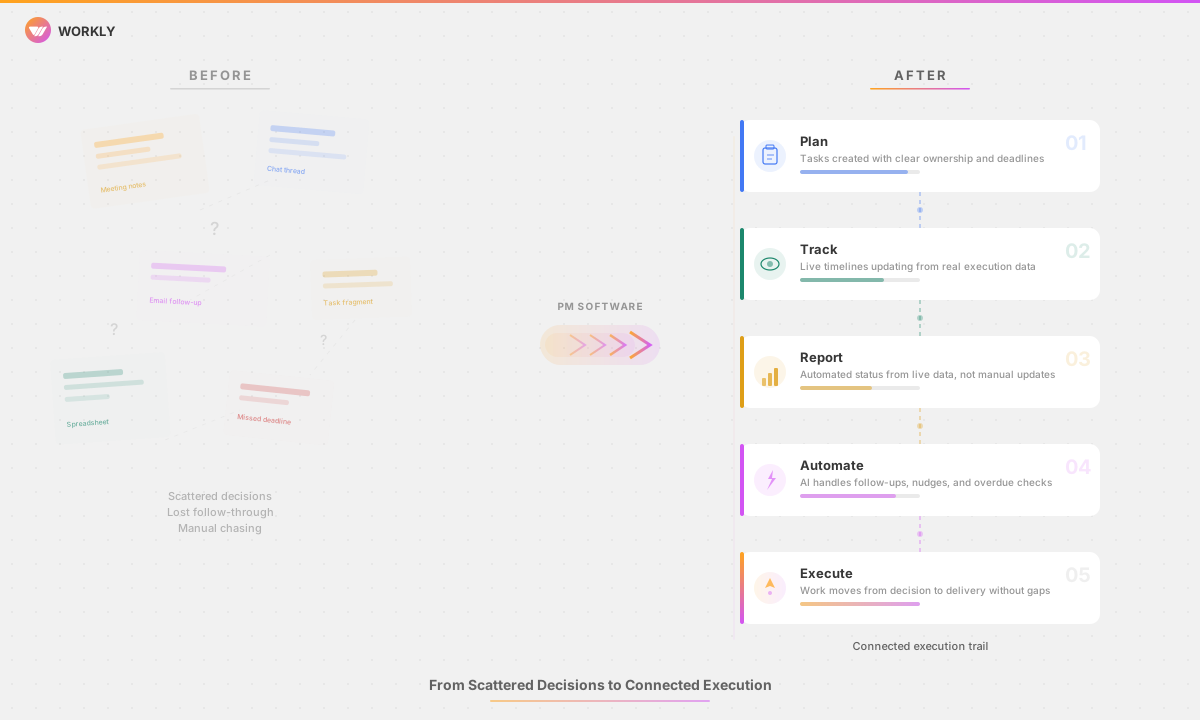
Majority work management tools provide snapshots. Dashboards show what was updated. Task lists show what exists. Status fields depend on manual input. This creates gaps between reality and reporting.
When visibility depends on people remembering to update tools, managers fill the gap by checking in. When progress depends on follow-ups, managers step in to push things forward.
In these environments, micromanagement is not a choice. It is a response to fragile systems.
How Workly helps managers step back without losing control
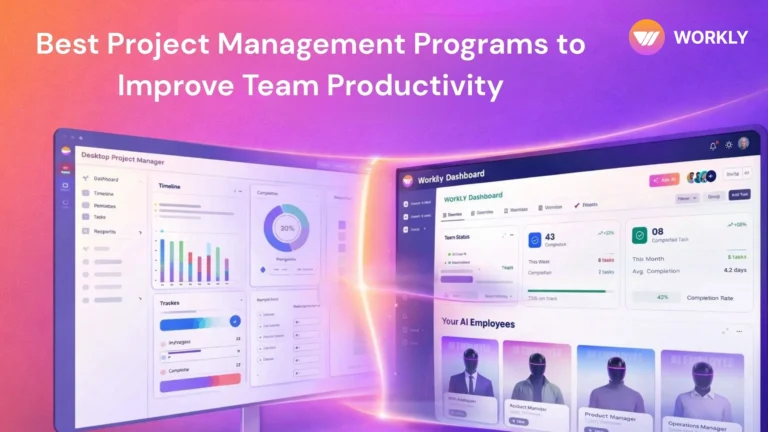
Workly is designed to change how visibility works. It is an AI-first work management platform that gives managers confidence without constant intervention.
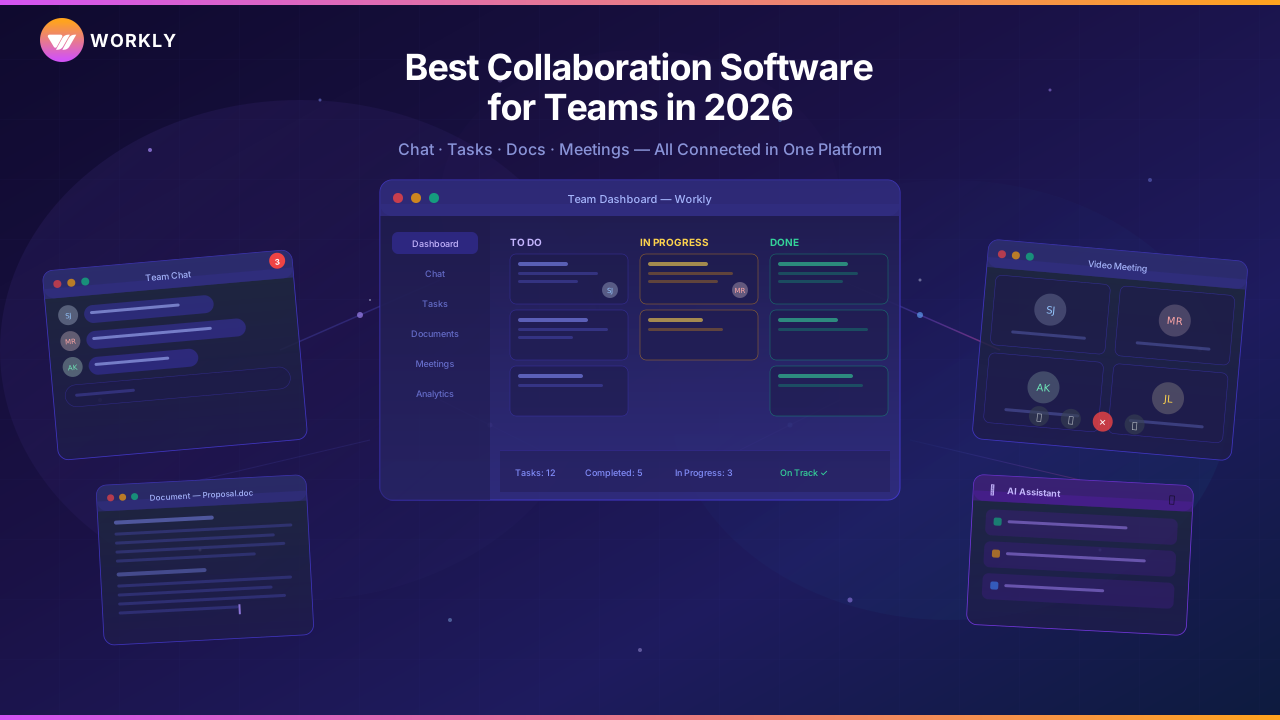
Instead of relying on manual updates, Workly maintains context across meetings, tasks, and communication. Decisions made in meetings are captured automatically. Action items are created with ownership and context. Progress is monitored continuously, not just when someone updates a status.
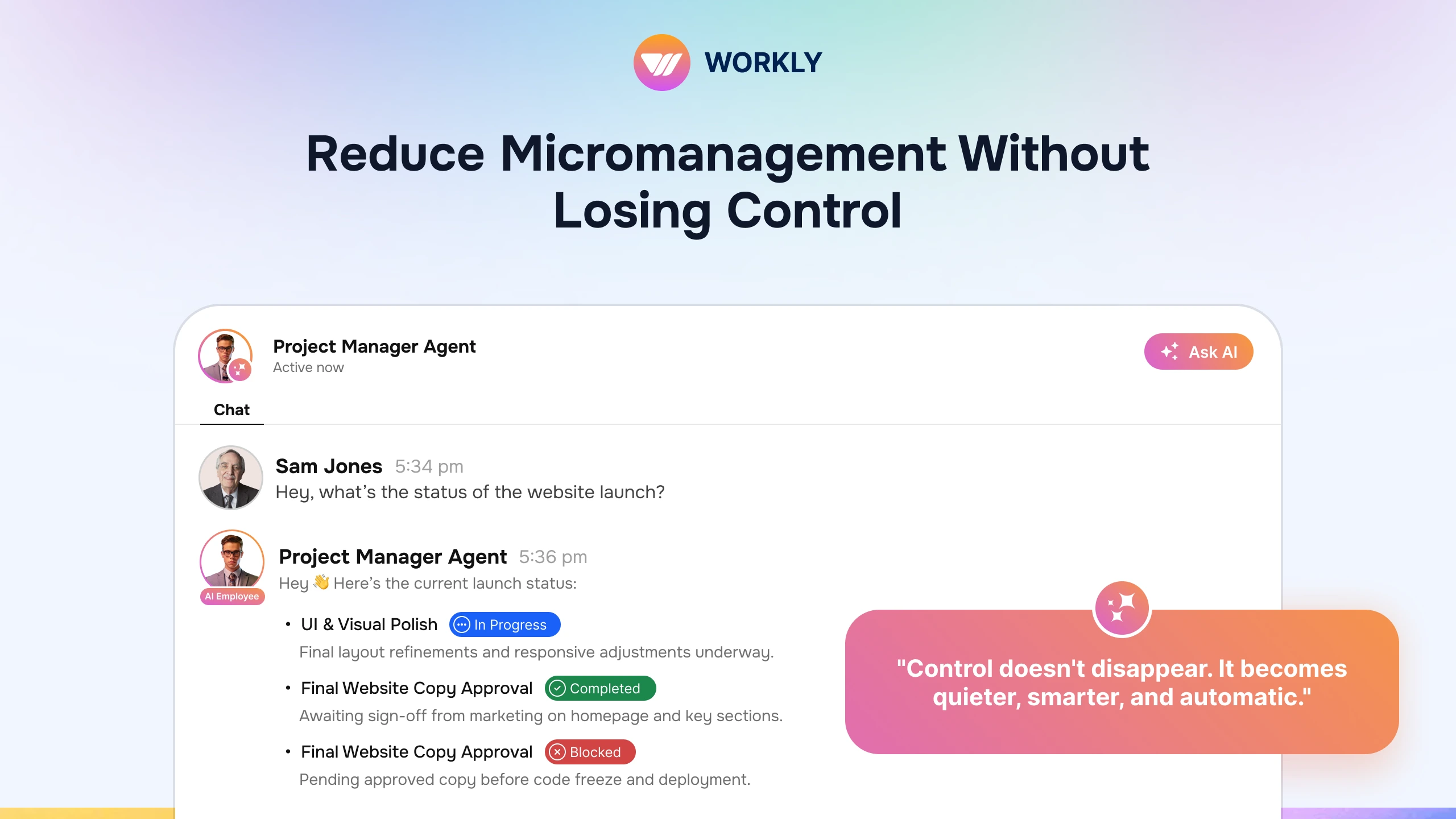
AI Employees help maintain alignment in the background. They collect updates when needed, surface delays early, and summarise progress clearly. Managers do not need to ask for updates because the system brings the information to them.
This shifts the manager’s role from chasing execution to supporting it.
What changes for managers and teams
When visibility becomes reliable, behaviour changes naturally.
Managers stop hovering because they no longer need to. They intervene only when something actually needs attention. Teams experience fewer interruptions and greater autonomy. Accountability becomes clearer because expectations are reinforced consistently by the system, not by repeated reminders.
Team productivity improves because work flows with fewer disruptions. Managers regain time for planning, coaching, and decision-making instead of constant oversight.
Most importantly, trust improves. Not because people are told to trust each other, but because the system makes trust rational.
Reducing micromanagement is a system problem, not a people problem
Micromanagement thrives in environments where progress is invisible and execution is fragile. It fades when systems provide clarity, continuity, and early signals.
Managers do not need to work harder at letting go. They need systems that allow them to step back with confidence.
By replacing manual control with AI-driven visibility, Workly helps managers lead without hovering and teams execute without friction. Control does not disappear. It becomes quieter, smarter, and more effective.
AI-First Collaborative OS
Stop managing tools. Start running work.


Nishtha Goel
A senior technical writer with more than 7 years of experience, working closely with the Workly product team. Specialises in writing about AI-driven collaboration, automation and how modern teams can work smarter.